Get Basement Drainage Installation
Basement drainage installation services help property owners prevent water damage and flooding by installing effective drainage systems in basements and crawl spaces with the help of local contractors.
Property owners in the area seeking reliable basement drainage installation services are in the right place. Proper drainage is essential for protecting a property’s foundation and preventing water-related issues such as flooding, mold, or structural damage. Exploring options for basement drainage solutions can help ensure that your property remains dry and secure, especially in areas prone to heavy rainfall or groundwater infiltration. By comparing local contractors, property owners can find experienced service providers equipped to handle a variety of drainage needs with practical, effective solutions.
Continuing to explore your options allows for a better understanding of the services available in the local market. Many property owners consider drainage improvements as part of broader planning projects to safeguard their investments. Connecting with local contractors who specialize in basement drainage installation can provide valuable insights and tailored solutions that suit specific property conditions. Keep reading to learn more about how local service providers can help address your basement drainage concerns efficiently and effectively.
- Basement Drainage System Installation - needed when a property experiences frequent basement flooding or persistent dampness.
- Drainage Channel Setup - suitable for homes with poor surface water runoff or pooling around the foundation.
- Sump Pump Installation - recommended for areas prone to water accumulation during heavy rains or rising groundwater levels.
- Foundation Drainage Solutions - essential when signs of foundation water intrusion or cracks are present.
- Egress Window Drainage Improvements - required to prevent water ingress around basement egress points during storms.
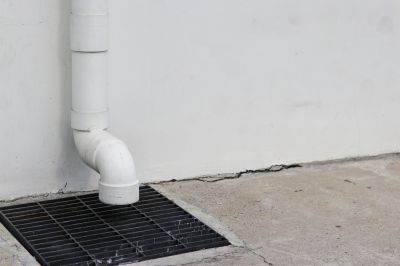
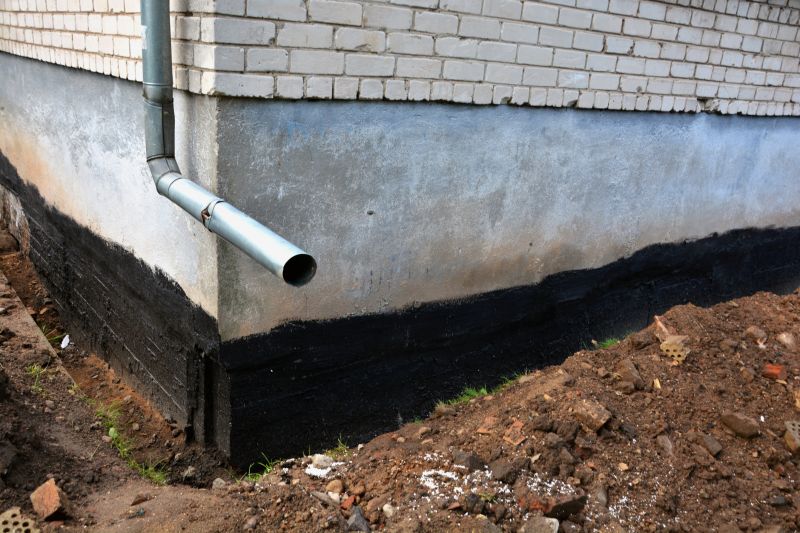
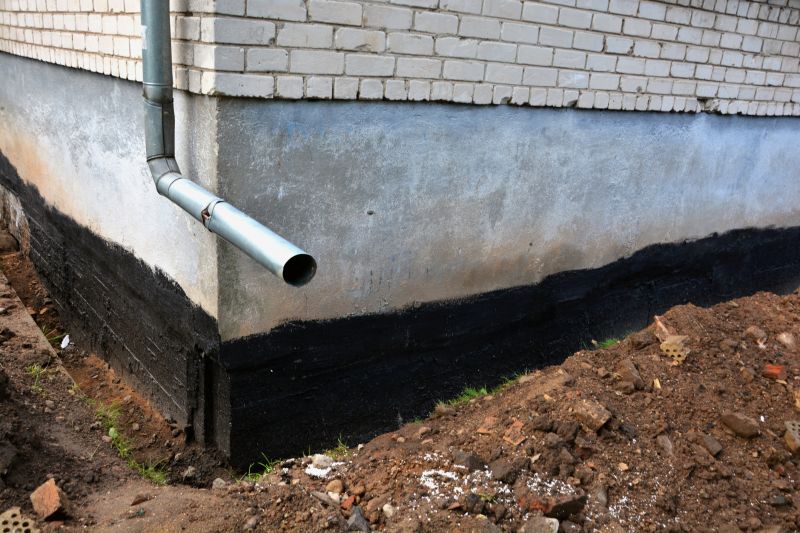
Basement drainage installation involves setting up systems that effectively manage excess water around a property's foundation. This service typically includes installing drain pipes, sump pumps, and waterproof barriers designed to direct water away from the basement area. Proper drainage helps prevent water from seeping through foundation walls or floors, reducing the risk of moisture buildup and potential water damage. Local contractors experienced in basement drainage can assess a property's specific needs and recommend the most effective solutions to keep basements dry and secure.
Many common problems can be addressed through professional basement drainage installation. These include frequent basement flooding, persistent dampness, musty odors, and mold growth-all signs that excess water may be infiltrating the space. Poor drainage around a property’s foundation can also lead to soil erosion and structural issues over time. Installing a reliable drainage system helps mitigate these issues by controlling water flow, preventing it from pooling near the foundation, and reducing the likelihood of costly repairs caused by water intrusion.
Properties that often benefit from basement drainage services include older homes with inadequate existing drainage, newly constructed buildings, and properties located in areas prone to heavy rainfall or high water tables. Homes with sloped yards or poor grading may also experience water pooling around the foundation, making drainage installation a practical solution. Whether a property is a single-family residence, a multi-unit building, or a commercial space with a basement, local service providers can tailor drainage systems to suit the specific layout and needs of each property.
Understanding when to consider basement drainage installation is key for homeowners experiencing water issues or planning renovations. Signs such as water stains on walls or floors, increased humidity, or visible pooling of water around the foundation suggest that a drainage system may be necessary. Contacting experienced local contractors can help evaluate these signs and determine the most suitable drainage solutions. Properly installed drainage systems can provide long-term protection against water damage, helping to maintain the integrity and value of the property.
The overview below groups typical Basement Drainage Installation projects into broad ranges so you can see how smaller, mid-sized, and larger jobs often compare in your area.
In many markets, a large share of routine jobs stays in the lower and middle ranges, while only a smaller percentage of projects moves into the highest bands when the work is more complex or site conditions are harder than average.
Smaller Repairs - Routine drainage fixes, such as sealing minor leaks or installing small drain tiles, typically cost between $250 and $600. Many projects in this range involve straightforward repairs that local contractors can complete efficiently.
Moderate Installations - Installing new basement drainage systems or upgrading existing ones usually ranges from $1,000 to $3,500. These projects often include trenching, drain pipe installation, and minor excavation, which are common for many homeowners.
Full Drainage System Replacement - Replacing an entire basement drainage system can cost between $4,000 and $8,000, depending on the size and complexity of the property. Larger or more intricate projects tend to push into higher price brackets.
Complex or Custom Projects - Very large or custom drainage solutions, such as extensive waterproofing or integration with foundation repairs, can exceed $10,000. These higher-end projects are less common but handled by specialized local contractors for complex needs.
Actual totals will depend on details like access to the work area, the scope of the project, and the materials selected, so use these as general starting points rather than exact figures.
Foundation Waterproofing Projects - local contractors use similar waterproofing techniques and tools to prevent water intrusion in basements and foundations.
Drainage System Installations - experts install surface and subsurface drainage solutions that help manage excess water around properties, similar to basement drainage work.
Crawl Space Waterproofing - these projects involve moisture control and drainage planning to protect below-ground spaces, sharing skills with basement drainage services.
Retaining Wall Construction - building retaining walls requires planning for water runoff and drainage, utilizing similar tools and site assessment skills.
Sump Pump Installation - installing sump pumps involves drainage planning and waterproofing techniques to keep basements dry during heavy rains.
Landscape Drainage Solutions - designing and installing landscape drainage systems requires understanding of water flow management similar to basement drainage projects.
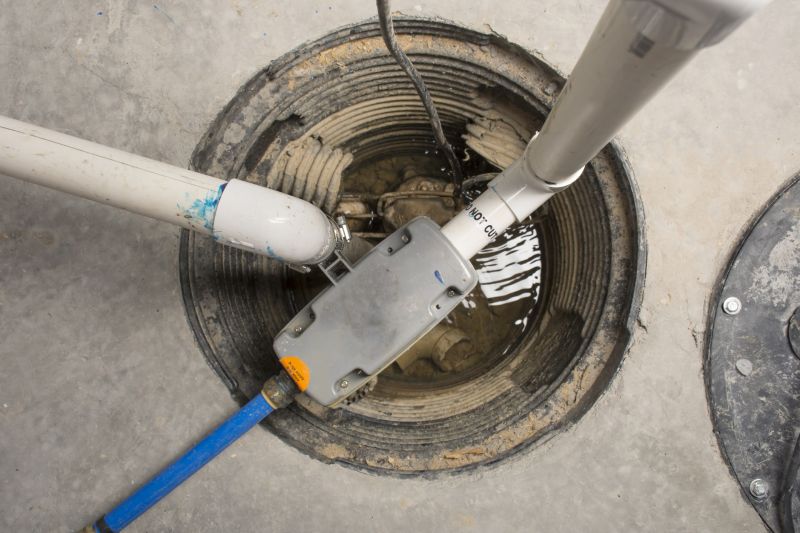
When comparing local contractors for basement drainage installation, it’s important to consider their experience with similar projects. Homeowners should look for service providers who have a proven track record of handling basement drainage systems in situations comparable to their own. This can include understanding the specific challenges of their property, such as soil conditions or existing foundation issues. An experienced contractor is more likely to be familiar with effective solutions and common pitfalls, helping to ensure the work is completed properly and efficiently.
Clear written expectations are essential when evaluating potential service providers. Homeowners should seek contractors who can provide detailed descriptions of the scope of work, the methods they plan to use, and the materials involved. Having a well-defined plan helps prevent misunderstandings and ensures that everyone is aligned on project goals. Reputable contractors often provide written estimates or proposals that outline these details, making it easier to compare options and select a provider who clearly understands the project’s requirements.
Good communication and reputable references are also key factors in choosing the right contractor. Service providers who are transparent and responsive during initial discussions tend to be more reliable throughout the project. Asking for references or reviews from previous clients can offer insights into the contractor’s professionalism, workmanship, and ability to meet deadlines. Since the site’s role is to introduce homeowners to local options rather than perform the work itself, it’s recommended to contact multiple service providers directly, ask questions about their experience and communication style, and verify their reputation before making a decision.
Property owners use Basement Drainage Installation services for practical projects around their homes and businesses. This guide focuses on everyday jobs and straightforward project options.
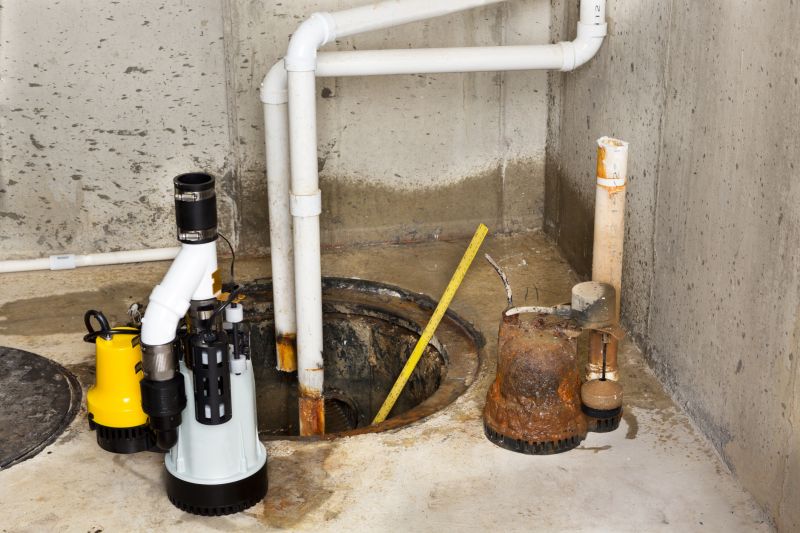
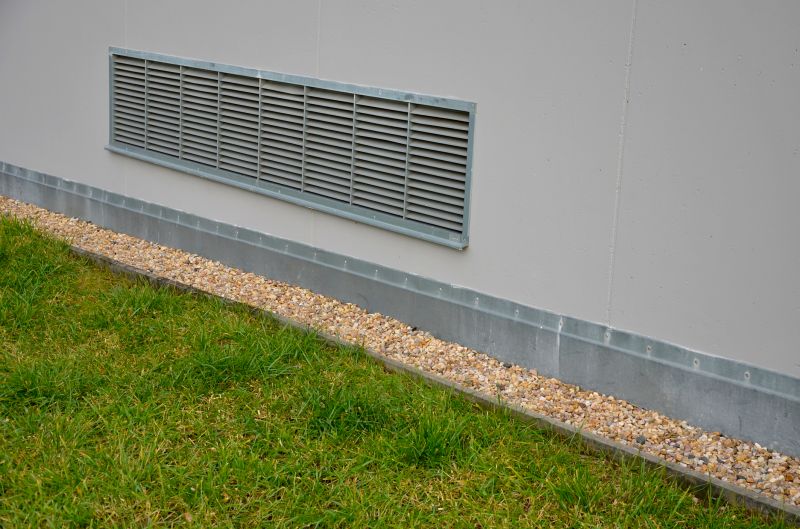
Basement drainage installation is a common project for property owners dealing with persistent water issues or planning for future protection. Homeowners may seek these services when they notice signs of excess moisture, water pooling, or dampness in their basements, especially after heavy rains or during seasonal changes. Local contractors can evaluate existing drainage systems or install new solutions to help prevent water intrusion, protecting the foundation and maintaining a dry, usable space below ground.
Property owners might also look for basement drainage solutions when preparing for renovations, finishing a basement, or upgrading their home’s waterproofing. In areas prone to heavy rainfall or with poorly draining soil, professional installation can be essential for avoiding long-term damage and ensuring the basement remains dry and structurally sound. Local service providers are equipped to handle a variety of drainage needs, offering tailored options to suit different property types and conditions.
What is basement drainage installation? Basement drainage installation involves setting up systems that direct excess water away from the foundation to prevent flooding and water damage.
Why should I consider professional basement drainage services? Professional contractors have the expertise to design and install effective drainage solutions tailored to specific basement needs.
What types of drainage systems are available for basements? Common options include interior drainage systems, exterior drain tiles, sump pumps, and waterproof membranes, depending on the situation.
How can local service providers help improve basement drainage? Local contractors can assess your basement, recommend suitable drainage solutions, and handle the installation process efficiently.
What should I ask when hiring a basement drainage installer? It's helpful to inquire about their experience with similar projects, the types of systems they install, and the warranties offered on their work.
Basement Water Drainage Solutions - property owners can install drainage systems to prevent water accumulation and protect their foundation during heavy rains or flooding.
Foundation Drainage Improvements - local contractors can help improve existing drainage to reduce basement moisture and improve indoor air quality.
Sump Pump Installation - homeowners can add sump pumps to manage groundwater and keep basements dry during periods of high water table.
Drainage System Maintenance - property owners can schedule regular inspections and maintenance to ensure their drainage systems function effectively over time.
If you are thinking about Basement Drainage Installation for a property, this guide is meant to help you understand the work, the typical project types, and how different options might fit your plans.
When you are ready, you can use the quote form on this page to share a few details about your project. From there, local pros can review the basics and respond with options that match what you have in mind.